




RELATED: Starting a Business in Akron Ohio: Local Resources
RELATED: Fire: Barberton Apartment Fire, Mutual Aid, Investigation
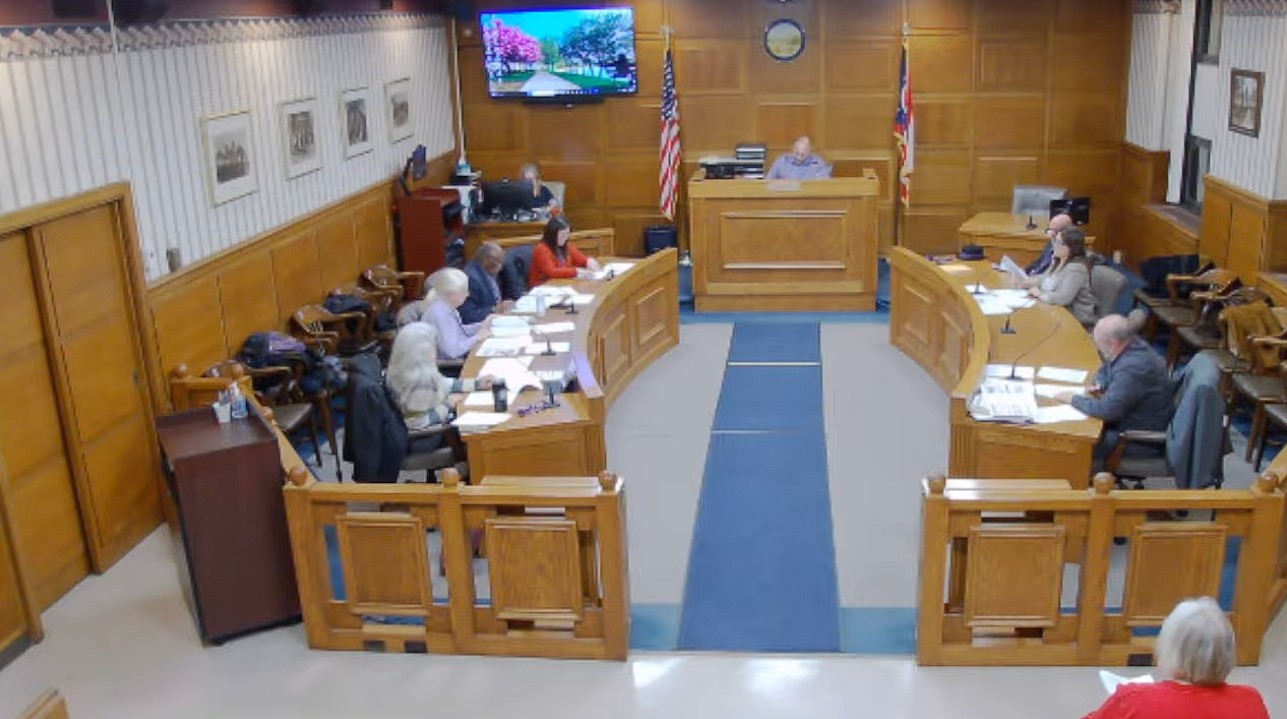
BARBERTON, Ohio – The latest Barberton council meeting was dominated by grim financial warnings, mounting frustration over school labor talks, and residents’ questions about how much growth the city can realistically chase while facing a deficit.
Council members, staff, and residents all circled the same theme: Barberton’s future depends on stabilizing its finances and rebuilding trust, both at City Hall and inside Barberton City Schools.













Barberton Council Meeting Centers on Budget and Deficit Concerns
During the Barberton council meeting, Finance Director Jeremy Flaker and council leadership acknowledged the city is navigating a tight fiscal environment. While no single dramatic vote defined the night, the tone of the conversation made it clear that Barberton is out of room for easy choices.
Council discussed:
- The pressure of rising costs across city departments
- The link between Barberton’s tax base and school district health
- The need to attract and retain businesses without overpromising incentives
Council President Justin Greer and several members emphasized that future decisions must be grounded in realistic revenue projections. Multiple speakers connected the city’s financial footing to the parallel struggles at Barberton City Schools, pointing out that the same taxpayers are shouldering both burdens.
Union Tensions and Treasurer Resignation Deepen School Crisis
A major undercurrent in the Barberton council meeting was anger and anxiety spilling over from Barberton City Schools. Although council does not directly control the school board or its labor contracts, residents and union members used public comment to detail their frustration.
AFSCME Local 265 representatives and school staff described:
- Working without a fair agreement while executive compensation remains untouched
- Feeling “disrespected and disposable” despite years of service
- Watching nonessential spending continue while frontline staff are told to “do more with less”
Speakers referenced the earlier resignation of Treasurer Craig McKendry and the district’s documented deficit, arguing that poor long-term planning and a lack of transparency have pushed Barberton schools into crisis mode.
School Treasurer Resignation Press Release Adds to Turmoil
During the Barberton council meeting, several speakers referenced a recent press release announcing the resignation of Barberton City Schools Treasurer Craig McKendry, effective July 31, 2026. The release, issued by the district, framed the resignation as part of a transition in the district’s financial leadership at a time of ongoing deficits.
According to the press release, McKendry will remain in his role through the 2025–26 school year to assist with:
- Closing out the current fiscal year
- Preparing updated five-year forecasts
- Helping the district transition to a new treasurer
But residents and union members at the meeting saw the announcement differently. They argued that the treasurer’s exit, coming on the heels of budget cuts and contract disputes, is another sign of instability at the top. Some questioned whether the board and administration have a clear plan to address the deficit beyond simply replacing one person.
Speakers tied the resignation directly to the district’s fiscal problems, pointing to:
- Longstanding warnings in the five-year forecast that were not acted on soon enough
- Accusations of poor communication with staff and the community
- Concerns that the next treasurer will inherit a “no-win” situation without structural changes
While city council has no authority over the school treasurer, the press release and resignation became part of the broader narrative of mistrust. Residents told council that constant turnover in key financial roles — combined with staff feeling squeezed — makes it harder for families to feel confident about staying in Barberton.
Economic Development and Growth: How Much Can Barberton Handle?
The Barberton council meeting also revisited questions of economic development, particularly in light of regional projects like the Akron Baptist Temple/Amazon redevelopment and nearby motorsports activity at Norton Raceway Park.
Residents raised concerns about:
- Whether infrastructure and city services can support aggressive growth
- How much tax revenue Barberton actually nets after incentives and abatements
- The compatibility of new development with Barberton’s existing neighborhoods
Some speakers worried that Barberton has chased too many “big wins” without securing stable, long-term benefits for residents. Others argued that, with school cuts, union unrest, and a deficit, the city cannot afford to turn away responsible development.
Council members walked a careful line, reiterating support for job creation while acknowledging that the community is skeptical. Several suggested more transparent reporting on the true costs and returns of economic deals – including how they intersect with school funding.
What’s Next for Barberton?
By the end of the Barberton council meeting, no single ordinance or vote solved the city’s problems. But the themes were unmistakable:
- The city’s finances are fragile.
- Labor tensions at Barberton City Schools are reshaping local politics.
- Residents are demanding that development be measured not just in square feet and headlines, but in sustainable benefits for families and workers.
Future meetings are expected to dive deeper into both budget planning and the broader impact of school district decisions. For now, Barberton finds itself at a crossroads, with council, unions, and residents all pressing for answers about what comes next.