




Starting a business in Northeast Ohio?
RELATED: Ravenna Police Blotter: Warrant Arrests, Stolen Puppies, Drug Paraphernalia
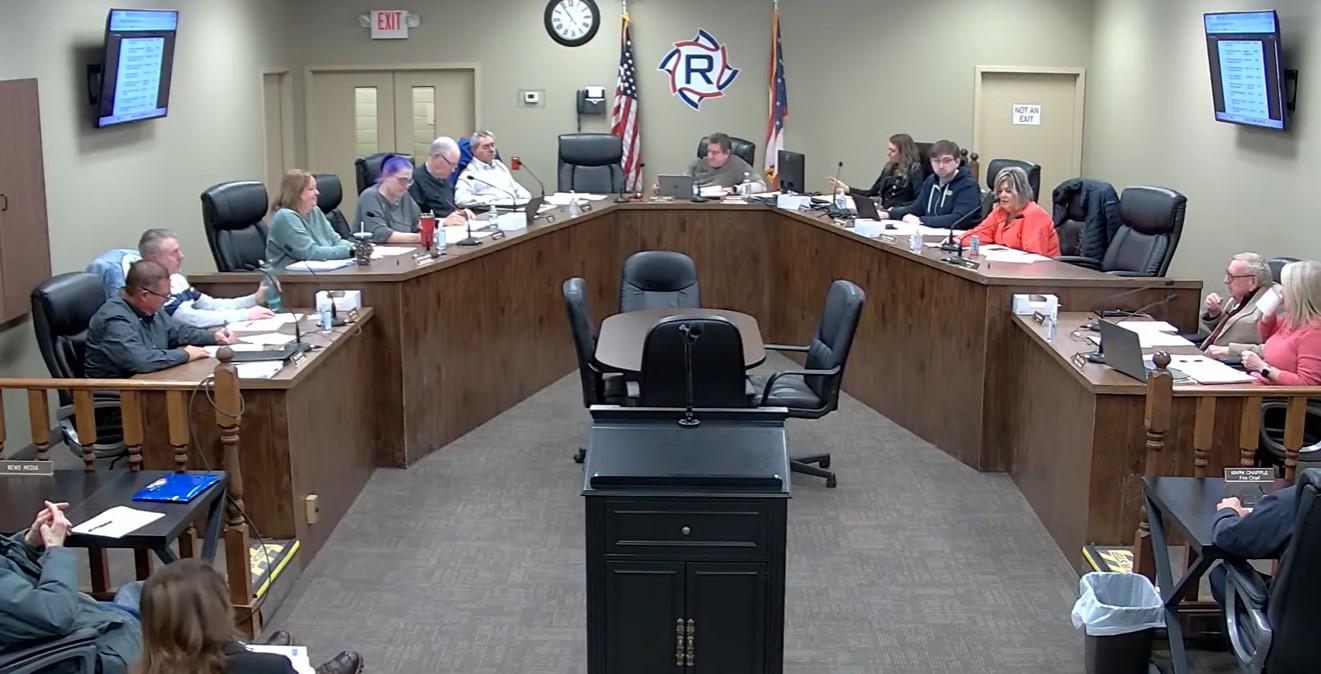
RAVENNA, Ohio – Ravenna City Council moved forward on several major initiatives during its January meeting, including approving three new firefighter positions, accepting a significant cannabis‑tax back payment from the state, and adopting long-discussed reforms to the Design Review Commission.












The meeting included lengthy debates, multiple committee updates, and input from several department heads, with public safety and administrative efficiency emerging as dominant themes.
Fire Department Staffing Increase Approved
Ravenna Fire Chief Chris Seman presented data showing a sharp rise in emergency call volume, including overlapping calls that often leave the city running short on available units. Council members agreed the department is struggling to keep pace with demand.
To address this, council approved three new full-time firefighter positions, the most substantial staffing increase the department has seen in years.
The move came as part of a broader settlement of union contracts across city departments. These contracts included wage increases, equity adjustments to correct long-standing pay imbalances, and — for the fire department specifically — a structural change to the firefighter workweek.
Finance Director Lori Wolf explained that the new staffing costs were incorporated into the overall wage package and that all union negotiations for the city have now been resolved.
Council Accepts Large Cannabis Revenue Back Payment
A major financial item surfaced when council formally accepted a state-issued back payment related to Ohio’s new adult‑use cannabis excise tax. The payment represented the first significant allocation of cannabis tax funds to Ravenna.
Under state law, these dollars must be placed into a dedicated fund, and future revenue distributions will follow the same requirement. Council briefly discussed potential uses but noted that long-term planning will occur later, once ongoing revenue levels become clearer.
Members also acknowledged that Ravenna’s licensed dispensary has been making voluntary contributions to local causes, indicating growing economic impact from the cannabis industry.
Design Review Commission Reforms Move Forward
One of the more complex and debated issues on the agenda involved changes to the Design Review Commission. The ordinance adjusts:
- Specialist categories and qualifications
- Residency requirements
- Application review deadlines
- The structure of the commission’s membership
The reforms originated from earlier committee conversations aiming to modernize the commission while addressing frequent delays and difficulty filling certain seats.
Council President Rob Kairis noted that the topic had generated mixed opinions, with some members expressing concern that loosened requirements could reduce community representation. Others argued that stricter rules had previously made it nearly impossible to find qualified volunteers, stalling the commission’s work.
Despite disagreement, the reforms ultimately advanced, with members urging continued monitoring after implementation.
Additional Meeting Actions
While the three major items dominated discussion, council also handled several notable measures:
• A six‑month moratorium on new self‑storage facilities to allow time for drafting updated zoning rules.
• Approval of multiple equipment donations for both the fire and police departments, including spare bulletproof vests designated for nearby communities.
• Funding items for water and wastewater plant upgrades, including a sludge pump replacement and electrical improvements.
• Introduction of an ordinance to create a standalone Finance Committee, which would replace ad‑hoc funding discussions with a permanent structure for budget oversight.
• Personnel changes, including upgrading a part-time parks employee to full time and creating an entry-level mechanic position in the Service Department.
The remainder of the meeting focused on administrative housekeeping such as then‑and‑now certificates and committee reports, closing out what council members described as a productive start to the year.