



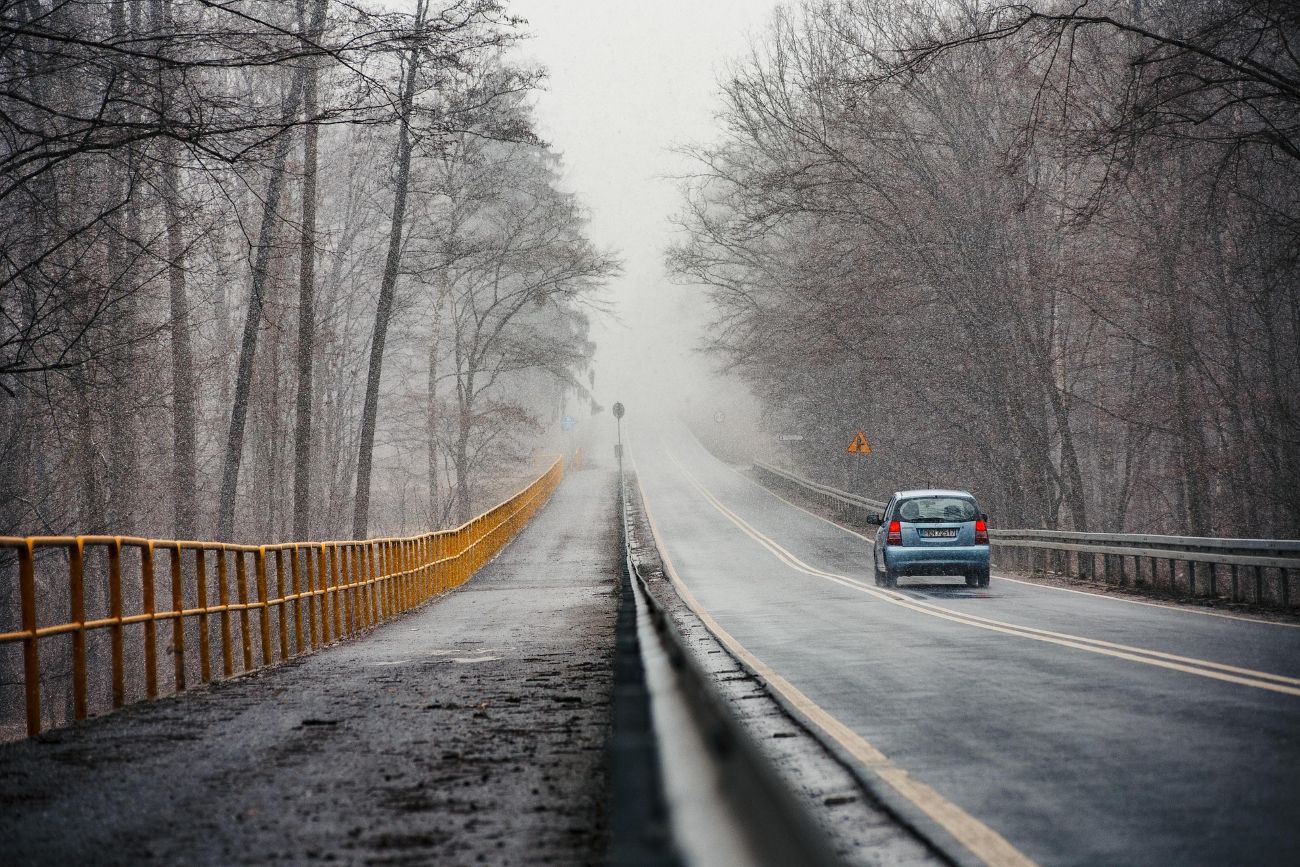

CLEVELAND, Ohio – With the deep freeze already here in Northeast Ohio, electric vehicle (EV) owners have the same concerns as any driver—slick roads, low visibility and bitter cold—plus a few EV-specific issues that can show up fast. Cold temperatures can reduce driving range and slow charging speeds, but experts say smart prep can make winter EV driving far more predictable. Just as important: EVs can offer strong traction advantages in snow, provided drivers plan ahead and use the right tires.
Why Cold Weather Cuts EV Range
EV range typically drops in winter for a mix of reasons: denser cold air affects efficiency, tires lose pressure, and—most importantly—battery chemistry slows in low temperatures. Add in energy-hungry winter needs like cabin heat and defrost, and the battery has less power available for driving.













Consumer testing cited by InsideEVs has found range begins dropping around 40°F, and that at about 16°F, EVs can lose roughly 25% of range at highway speeds compared with mild-weather driving conditions.
Most EV Owners Still Keep a Gas Car
For Northeast Ohio households considering an EV—or trying to decide whether it can be the “only car” during winter—there’s a key context point: an estimated 75% to 85% of EV owners also keep a traditional gas-powered vehicle in the household, according to recent industry surveys and research.
That doesn’t mean EVs can’t handle winter. It often reflects how families split duties between vehicles: the EV becomes the daily commuter and errand runner, while the gas vehicle is kept for long road trips, towing needs, or as a backup when weather turns extreme.
Charge to 100% When You Actually Need It
Many automakers recommend charging to about 80% for routine daily driving to support long-term battery health. But charging to 100% occasionally—like before a longer winter drive or storm-related travel—is generally fine. The key is not doing it constantly, day after day, unless you truly need that extra buffer.
Leave It Plugged In More Often
In winter, many EVs manage battery temperature while parked. Leaving the vehicle plugged in more frequently can help maintain a healthier battery temperature and reduce surprise range loss while the car sits outside in the cold.
Precondition the Cabin While Plugged In
One of the most practical EV winter storm tips is to warm the cabin before you leave while the car is still plugged in. If your EV supports it, use the manufacturer app or the key fob to start the climate system ahead of time. That lets your home charger (not your battery) provide the energy for warming up, which can preserve range—especially on short trips.
Precondition the Battery Before Fast Charging
Cold batteries generally charge more slowly. Many EVs have a feature to precondition the battery for faster DC fast-charging—sometimes automatically when you set a charger as your destination in the built-in navigation. Using it can reduce how long you’re stuck at a charger in freezing temperatures.
Clear Snow and Salt From Cameras and Sensors
Modern vehicles rely on cameras and radar for safety features like backup cameras, adaptive cruise control, and automatic emergency braking. Snow, ice, and road salt can block these sensors, so clear them before driving—and during longer trips when grime builds up.
Drivers should also check whether their EV has a “Car Wash Mode,” especially models with power-operated charge-port doors, to prevent the charge door from opening unexpectedly.
Use Heated Seats and Steering Wheels to Stretch Range
Heated seats and heated steering wheels typically use less energy than cranking cabin heat. A good winter strategy: pre-warm the cabin while plugged in, then rely more on seat and steering wheel heat while driving.
Eco Mode and Snow Mode Can Help
Drive modes can make a noticeable difference in EVs. Eco Mode can help conserve energy and extend range. Snow Mode can reduce throttle aggressiveness and adjust regenerative braking behavior to reduce wheelspin and improve stability in slick conditions.
EV Traction Is Often Excellent—But Tires Still Matter Most
EVs frequently deliver strong winter traction because power is applied instantly and precisely. That said, traction control can’t replace the grip of proper tires. For Northeast Ohio winter roads, dedicated snow tires—or snow-rated all-weather tires—remain the best safety upgrade.
Bottom Line for Northeast Ohio Drivers
With the deep freeze already in place, winter isn’t automatically a dealbreaker for EVs—but it does require more planning right now. Expect reduced range, take advantage of preconditioning, charge strategically, and don’t assume the car will fast-charge at peak speeds in deep cold. And as always, the most important winter driving rule still applies: slow down and drive for the conditions.