



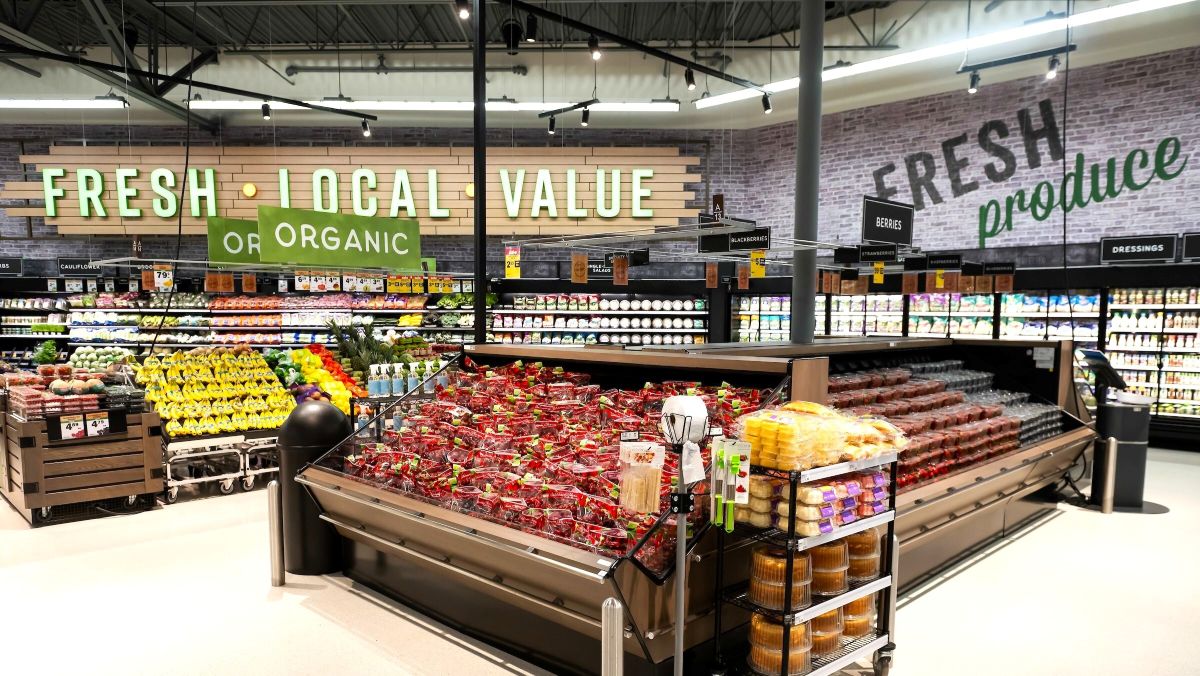

STRONGSVILLE, Ohio – The Meijer Strongsville store proposal for a new location on Pearl Road near Boston Road, just south of Rockglen Drive, has been withdrawn, ending a development push that had already sparked organized neighborhood opposition and a formal City Council vote.
Meijer said it routinely evaluates sites and conducts due diligence before finalizing plans. After completing that evaluation for this specific location, the company decided not to move forward. At the same time, Meijer signaled it remains interested in opening additional stores in Northeast Ohio and could still consider Strongsville in the future—just not at this site.
What the City Did After the Withdrawal
Even with the proposal no longer active, Strongsville City Council proceeded with a public hearing on the matter and then took formal action: council voted to reject the rezoning request that would have been required for the store to be built.












That vote matters for more than recordkeeping. It sets a clear, recent precedent on how this property is viewed from a zoning standpoint—something any future developer will have to understand, navigate, and potentially challenge with a new plan.
Why Zoning Was the Deciding Issue
The Meijer Strongsville store proposal required a zoning change. The property’s existing designation does not allow a grocery store. To move forward, the site would have needed to be rezoned to a general business category.
Zoning fights often become proxy battles over long-term community direction. In Strongsville, this one surfaced familiar fault lines:
- Commercial growth versus neighborhood buffering
- Traffic capacity versus convenience
- Stormwater and flooding risk versus new tax base
- “More options” versus “we have enough already”
The Opposition: Traffic, Stormwater, Environment, and Local Business Impact
Opposition to the proposed store grew quickly among nearby residents, including people in the Fieldstone Preserve area. An online petition gathered more than 770 signatures against the project. Residents and organizers argued the store could bring:
- Increased traffic and cut-through driving in residential areas
- More noise and light impacts near homes
- Added pollution and environmental disruption
- Greater stormwater runoff and potential flooding concerns from more paved surfaces
- Pressure on smaller local businesses from another large retailer entering the market
A separate community website was also launched to coordinate objections and keep residents informed.
It remains unclear what specific factors drove Meijer’s decision to step back. But the outcome is clear: the proposal did not survive the combination of zoning hurdles, neighborhood resistance, and the company’s internal site evaluation.
Meijer’s Presence in Northeast Ohio—and What “Not This Site” Signals
Meijer is already established across Northeast Ohio, operating large-format stores that combine groceries with general merchandise. The company’s message here was essentially: not this location, but not necessarily not this city.
That leaves Strongsville with two realistic paths ahead:
- A different Strongsville location could emerge later if a site better fits Meijer’s criteria and generates fewer conflicts.
- A different developer could pursue the Pearl Road–Rockglen site with a new concept—possibly one that fits current zoning, or one that reopens the rezoning debate.
What Happens Next at Pearl Road and Rockglen Drive
The property is still on the market, which means the conversation isn’t over—it’s just changing characters. Here’s what to watch next:
- Who buys (or options) the land, and what type of use they pursue
- Whether a future proposal requires rezoning, and if so, what changes are offered to address prior concerns
- Traffic and stormwater planning, which are likely to remain top issues no matter the tenant
- Public participation, including whether online activism turns into in-person comments at meetings the next time a plan appears
The end of the Meijer Strongsville store proposal doesn’t settle the broader question. It simply resets it: what kind of development belongs at this corner—and what conditions would Strongsville require before saying yes?