

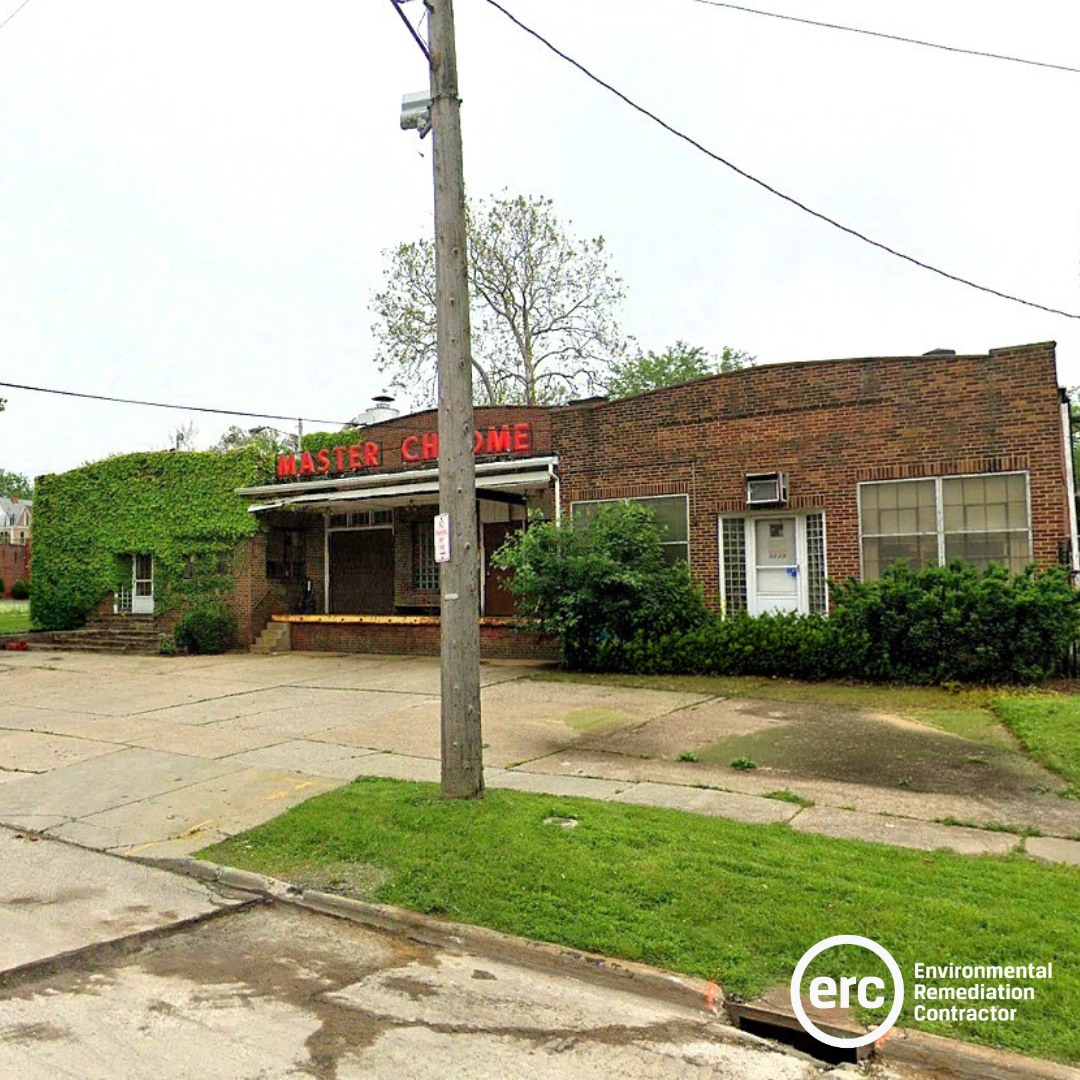

CLEVELAND, Ohio – The long-stalled cleanup of the former Master Chrome property in Cleveland’s Gordon Square neighborhood is entering a visible new phase.
The site, a long-standing industrial brownfield, is slated for building demolition followed by an extensive contaminated soil removal process. The project is a critical part of the city’s effort to return underutilized, environmentally compromised land to productive use.
This location has been a point of concern for the community due to its history as a brownfield. The presence of fencing and the mobilization of equipment typically indicate that the project has secured the necessary environmental permits to begin the heavy lifting of remediation.












The Remediation Process
The transformation of a brownfield site like Master Chrome involves a strict sequence of safety and environmental protocols:
- Site Security: The installation of perimeter fencing to prevent unauthorized access during hazardous work.
- Structural Demolition: The controlled tearing down of existing buildings and the sorting of debris for proper disposal.
- Contaminated Soil Removal: Excavating and hauling away soil impacted by historical industrial use to ensure the ground meets modern safety standards.
- Environmental Monitoring: Ongoing testing to ensure that dust and runoff are managed during the excavation process.
Impact on Gordon Square
As Gordon Square continues to grow as a premier residential and arts district, the remediation of the Master Chrome site is a significant step in removing industrial blight. While the work will bring temporary noise and truck traffic to Herman Avenue, the long-term goal is to return the land to a productive, safe use that aligns with the neighborhood’s revitalization.
What to Watch For
Residents should expect to see increased activity from environmental contractors and heavy machinery in the coming weeks. Key milestones will include the completion of the building teardown and the start of the deep-soil excavation.
No specific redevelopment plans for the “post-cleanup” phase have been publicly confirmed at this time, but the removal of contaminated soil is the essential hurdle that must be cleared before any new construction can begin.