




Starting a business in Northeast Ohio? Start here.
CLEVELAND, Ohio – The Cleveland City Planning Commission met on February 6, 2026, to navigate a dense agenda that balanced the city’s future growth with the preservation of its storied past. The session resulted in the adoption of modernized administrative rules, the designation of two historic landmarks, and the approval of several demolition and infrastructure projects aimed at neighborhood revitalization.
Modernizing Governance and New Landmarks
The meeting began with the adoption of amendments to the Rules of the City Planning Commission. Planning Director Joyce Huang explained that these updates bring the commission’s governance into the modern era, formalizing hybrid virtual meeting access and establishing new committees, including a Form-Based Code Technical Review Committee and a Long-Range Citywide Plan Committee.












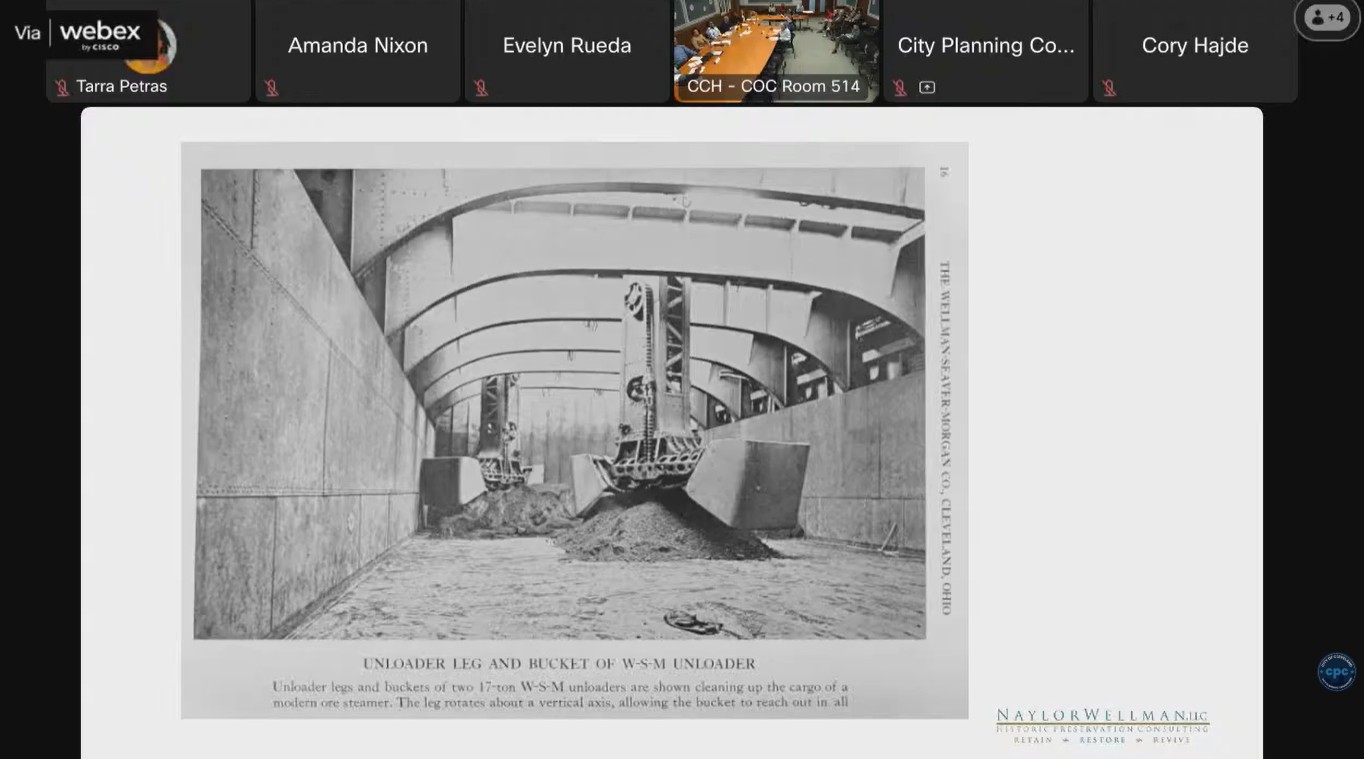
In a major win for historic preservation, the commission designated the Wellman-Seaver-Morgan building at 7000 Central Avenue as a Cleveland landmark. This massive industrial complex, which once pioneered steel-making technology globally, is the last of its kind in the city. The designation is a critical step for a planned manufacturing rehabilitation project that will utilize Ohio historic tax credits.
The Beachland Ballroom and Tavern in North Collinwood also received landmark status. A cornerstone of the Waterloo Arts District, the venue was originally the Croatian Liberty Home and has hosted legendary musical acts, serving as a vital cultural and economic anchor for the neighborhood.
Strategic Demolitions and Neighborhood Growth
The commission addressed several projects involving the removal of blighted or obsolete structures to make way for new development:
- Superior Avenue Demolitions: The commission approved the demolition of two long-abandoned and hazardous structures at 10702 and 10708/12 Superior Avenue. The removal of these “eyesores” is intended to improve safety and aesthetics in the busy East 105th corridor.
- Smyrna Church Expansion: While the new construction of an 11,000-square-foot facility for Smyrna Church at 1433 West 57th Street was the primary focus, the project involves the “buy-right” demolition of the existing church and an adjacent house to accommodate the expansion.
- 30 West Apartments: Approved for the Clark-Fulton neighborhood, this 21-unit project at West 30th and Seymour is designed to fill “missing teeth” in the community, replacing vacant lots with contemporary housing.
Infrastructure and Connectivity
Several key infrastructure projects were greenlit to enhance the city’s multimodal network:
- Memorial Bridges Loop: The commission gave consent for a new 12-foot shared-use path on Huron Road and Ontario Street, a key link in a 5K loop connecting downtown and Ohio City.
- East 66th Street Improvements: An $8.3 million project will transform the corridor between Chester and Superior Avenues with full road repairs, a shared-use path, and extensive landscaping, strengthening the connection between Midtown and Hough.
- Old Detroit Bridge Rehabilitation: A historic 1853 railroad bridge on Riverbed Road will be rehabilitated and partially filled with grout to preserve its historic facade while removing it from the city’s active bridge maintenance list.
The meeting concluded with an update on the city’s Public Art Program, highlighting several local artist installations slated for 2026, and an announcement of upcoming public meetings regarding the reuse of former school buildings.